Why patients worry about dental pain

Why patients worry about dental pain
1. Introduction —
Start by addressing the patient's biggest concern directly.
Many patients delay dental treatment because they remember painful dental experiences, fear injections, or worry that procedures such as root canals or extractions will hurt.
Your introduction should reassure them that modern dentistry has several ways to make treatment much more comfortable.
Example direction:
Dental anxiety is common, especially when patients associate dental treatment with pain. With modern techniques, effective anesthesia, and a gentle approach, many dental procedures can be performed with minimal discomfort.
The important point is not to promise “100% painless treatment.” Instead, say you focus on minimizing discomfort.
2. How we make treatment comfortable
This should be the main section of the blog. Explain what your clinic actually does.
A. Gentle examination
Explain that treatment doesn't immediately start with an invasive procedure.
The dentist first examines the teeth, gums, and overall oral condition and may use dental X-rays or other diagnostic tools when required.
This helps identify the problem and create an appropriate treatment plan.
Patient benefit:
The patient understands what is happening instead of feeling surprised or anxious.
B. Topical numbing gel before injection
This is particularly useful for nervous patients.
A topical anesthetic gel can be applied to the area before administering local anesthesia. This can help reduce the sensation associated with the injection.
You can explain this in simple language:
Before administering local anesthesia, we may use a topical numbing gel to help make the injection more comfortable.
C. Modern local anesthesia techniques
Explain that local anesthesia is used to numb the treatment area so the patient does not feel sharp pain during many dental procedures.
However, patients may still feel pressure, movement, or vibration, depending on the procedure.
This makes the blog more medically credible than simply saying “you won't feel anything.”
D. Gentle and controlled procedures
Talk about the dentist's technique and communication.
For example:
Careful handling of instruments
Controlled movements
Regular communication with the patient
Allowing breaks when needed
Checking patient comfort during treatment
You can also mention a simple hand signal, such as raising a hand if the patient wants the dentist to pause.
This is excellent for reducing anxiety because the patient feels that they remain in control.
E. Modern dental technology
Explain how technology can support accurate diagnosis and treatment.
Depending on what your clinic actually uses, you could mention:
Digital X-rays
Intraoral cameras
Dental loupes
CBCT imaging when clinically indicated
Modern rotary/endodontic systems
Digital treatment planning
Don't list technology just to sound advanced. Explain how it benefits the patient.
For example:
Modern diagnostic and treatment technologies can help dentists visualize problems more clearly and plan treatment more precisely when clinically appropriate.
F. Proper pain management after treatment
Comfort doesn't end when the procedure finishes.
Explain that patients receive appropriate after-care instructions and guidance about what to expect during recovery.
Depending on the treatment, the dentist may recommend appropriate pain-relief measures.
Avoid writing that every patient will receive medication because treatment requirements vary.
3. Treatments we provide with patient comfort in mind
Now introduce the major treatments.
Root canal treatment
Explain that modern root canal treatment is performed under local anesthesia and is intended to remove infection and preserve the natural tooth.
A common misconception is that root canal treatment itself causes severe pain. You can address this carefully.
Tooth extraction
Explain that local anesthesia is used to numb the area before extraction. Patients may experience pressure or movement, but the aim is to minimize pain during the procedure.
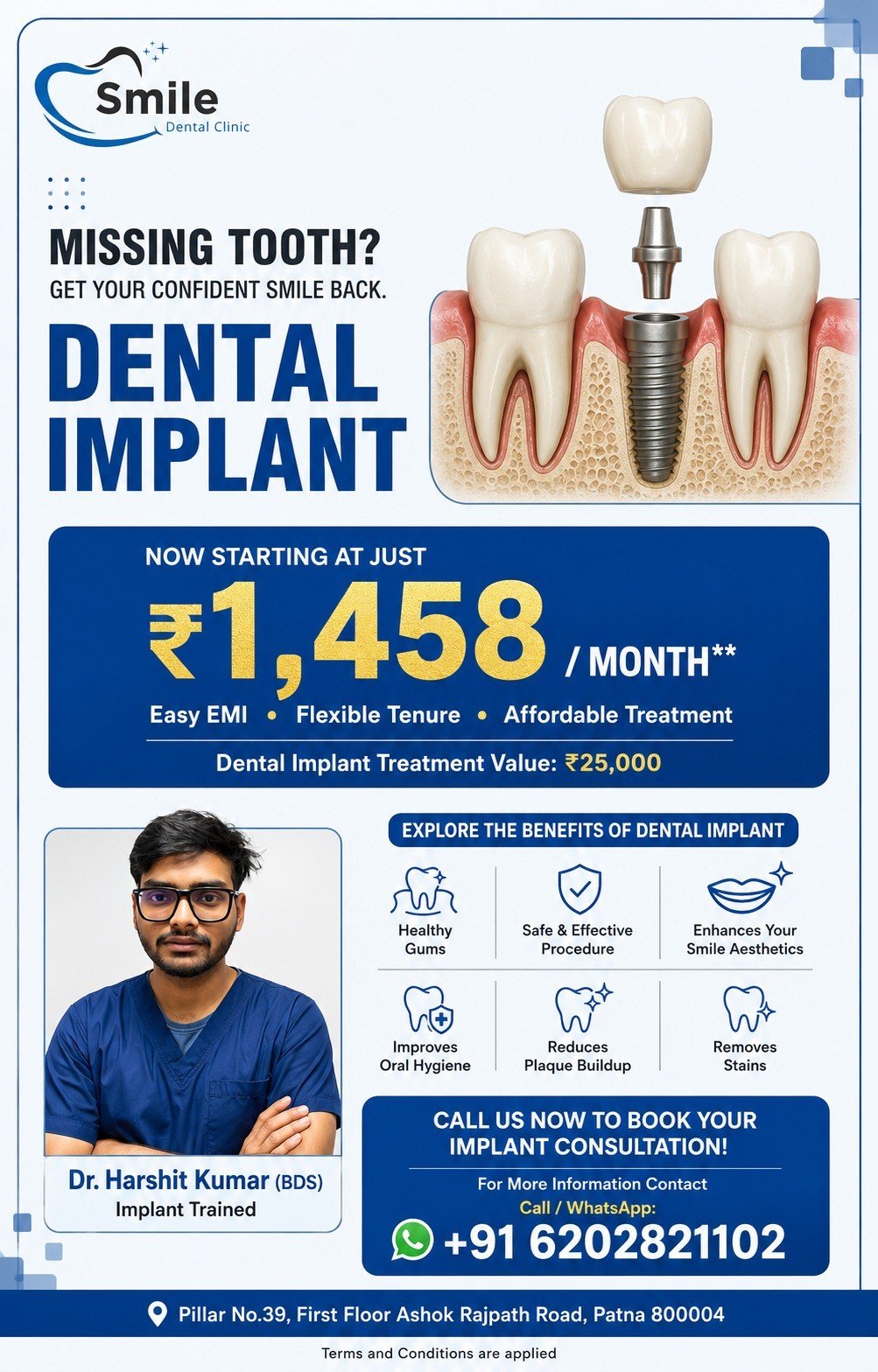
Dental implants
Explain that implant placement is performed using appropriate anesthesia and careful treatment planning.
You can emphasize that patient comfort is considered before, during, and after the procedure.
Dental fillings
For fillings, local anesthesia may be used depending on the depth and location of the cavity and the patient's sensitivity.
This shows patients that not every treatment requires the same approach.
4. What patients can expect during treatment
This section makes the blog practical.
You can explain the process step-by-step:
Step 1 — Consultation
The dentist listens to the patient's concerns and examines the dental condition.
Step 2 — Diagnosis
Necessary diagnostic tests or X-rays are performed when required.
Step 3 — Treatment explanation
The dentist explains the recommended procedure, expected sensations, and treatment options.
Step 4 — Anesthesia
Local anesthesia and, when appropriate, topical numbing are used to help minimize discomfort.
Step 5 — Treatment
The procedure is performed carefully while monitoring the patient's comfort.
Step 6 — After-care
The patient receives instructions for recovery and what symptoms to watch for.
This section is especially useful because patients know what will happen before they sit in the dental chair.
5. FAQs about painless dentistry
FAQs are very useful for a website because they answer the questions patients are already searching for.
You could include:
Q: Is dental treatment completely painless?
A: While no dental procedure can be guaranteed to be completely painless for every patient, modern techniques and local anesthesia can significantly reduce discomfort during many procedures.
Q: Will the injection hurt?
A: A brief sensation may occur during an injection. Topical numbing gel and careful injection techniques may help make the experience more comfortable.
Q: Will I feel anything during a root canal?
A: The tooth is typically numbed with local anesthesia before treatment. You may still notice pressure or vibration, but the aim is to minimize pain.
Q: What if I am very nervous about dental treatment?
A: Tell your dentist about your anxiety before treatment. The dental team can discuss ways to make the appointment more comfortable and help you feel more in control.
Q: What happens after treatment?
A: Your dentist will provide appropriate after-care instructions and explain what you can expect during recovery.
6. Call to action — Book a consultation
Finally, don't end the blog abruptly.
“Contact us today!!!”
6202821102
Don't let fear of dental pain stop you from getting the treatment you need. Our team focuses on gentle, comfort-oriented dental care and takes the time to understand your concerns.
Book a consultation today to discuss your dental needs and explore the most suitable treatment options for you.